.svg)


.png?width=20&height=20&name=Vector%20(1).png)


.svg)
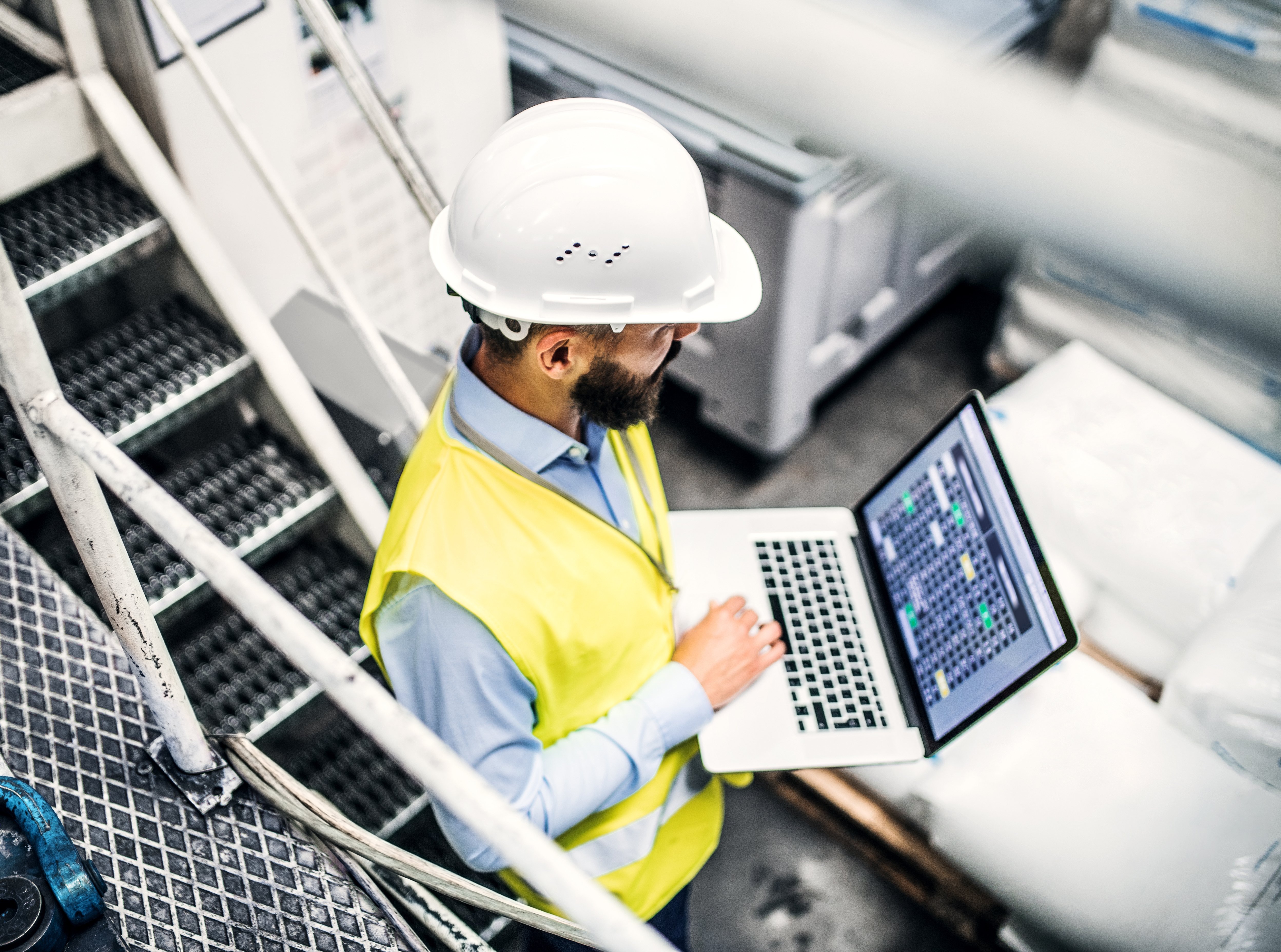

Gartner predicts that 75% of organizations will adopt cyber-physical systems protection platforms by 2027, marking a new phase in manufacturing cybersecurity. Manufacturers are already facing more connected machines, expanded remote access, and greater operational risk. The challenge is no longer whether to connect industrial systems, but how to do so securely and reliably at scale.
Cyber-physical systems in manufacturing
In manufacturing, cyber-physical systems are not abstract digital environments. They are real production assets such as packaging lines, extrusion systems, robotic cells, and material-handling equipment that operate continuously in real time.
A manufacturing CPS environment typically combines:
- Physical components such as sensors, actuators, and mechanical systems
- Computational elements including PLCs, industrial PCs, and embedded software
- Data processing and storage at the edge and in the cloud
- Industrial communication interfaces using specialized protocols and secure connectivity
This integration enables predictive maintenance, remote service, performance monitoring, and continuous improvement. At the same time, it significantly expands the attack surface by exposing systems that were never designed to be connected to modern cyber threats.
Download the ei3 CPS Protection Platform Evaluation Guide
When connectivity becomes a security challenge
As CPS environments expand, remote connectivity becomes a foundational requirement for modern manufacturing. Service teams, OEMs, integrators, and internal operations depend on secure access to machines across sites and geographies.
However, this connectivity introduces risk in ways traditional security models were never designed to address. Manufacturing CPS environments combine long equipment lifecycles, real-time operational constraints, and systems that cannot tolerate downtime, latency, or intrusive security controls.
Many manufacturers still rely on familiar remote access methods such as unmanaged gateway devices, direct VPN connections, or standalone cellular modems. While these approaches may solve immediate access needs, they often fall short as connected operations scale:
- Lack centralized management and auditing
- Create inconsistent user access and identity controls
- Obscure visibility across machines and sites
- Introduce reliability, cost, and scalability challenges
Meanwhile, manufacturing has become one of the most targeted industries for cyberattacks, with incidents increasingly affecting production uptime, safety, and operational continuity rather than just IT systems. Traditional IT security tools alone are not designed to address these OT-specific realities.
The shift toward CPS protection platforms
As connected operations grow, manufacturers increasingly need more than isolated tools or ad hoc connectivity. They need a unified, purpose-built approach to securing cyber-physical systems without disrupting production. Get a copy of
CPS protection platforms are emerging to meet this need. Rather than treating machines as generic endpoints, CPS protection platforms provide a single foundation that brings together:
- Industrial-grade security designed for operational environments
- Secure connectivity built for remote service and support use cases
- Centralized management across machines, users, and sites
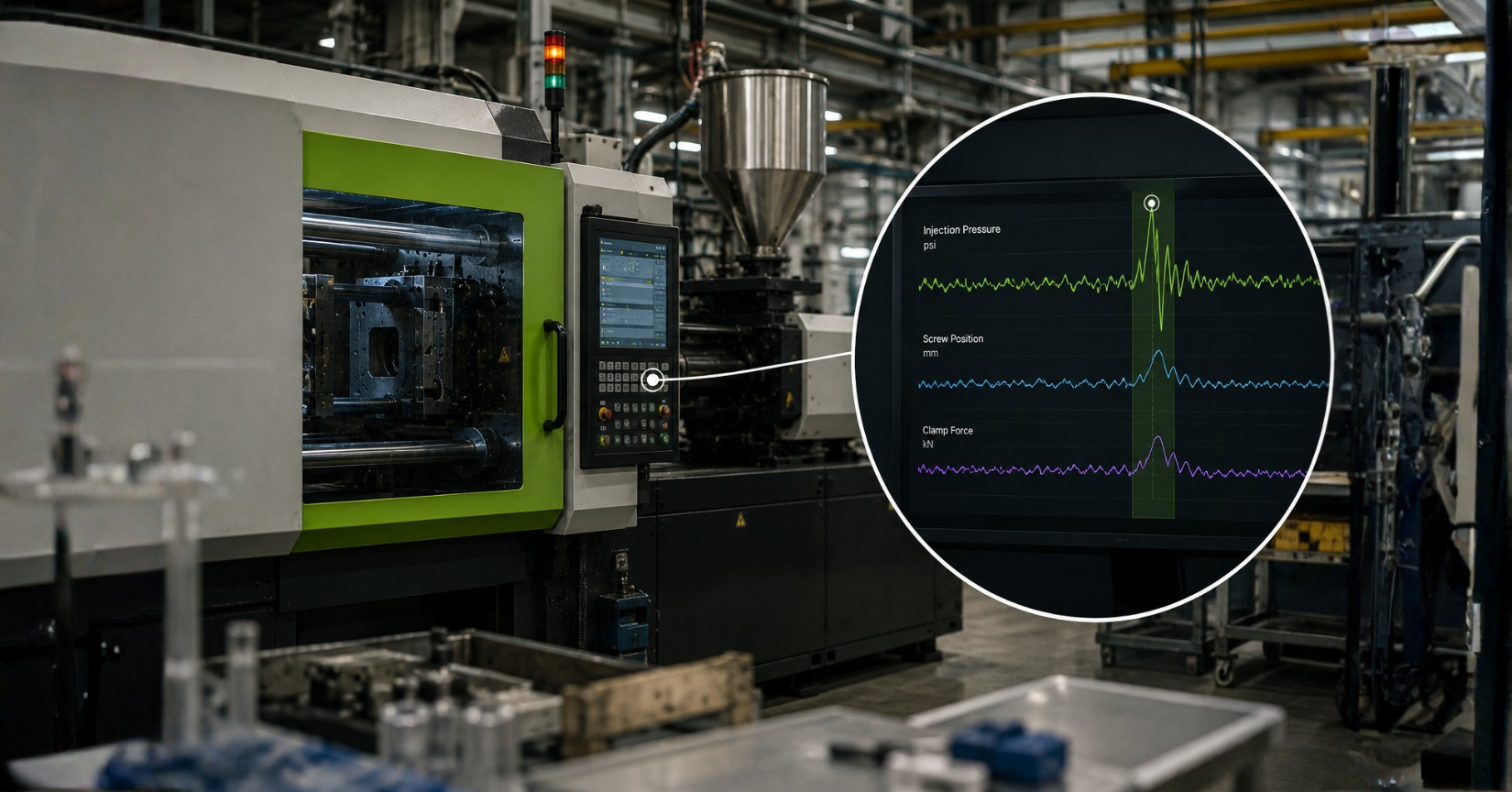
- Operational visibility that supports both security and performance
This platform-based approach allows manufacturers to protect connected operations while maintaining uptime, serviceability, and scale.
Core capabilities of a CPS protection platform
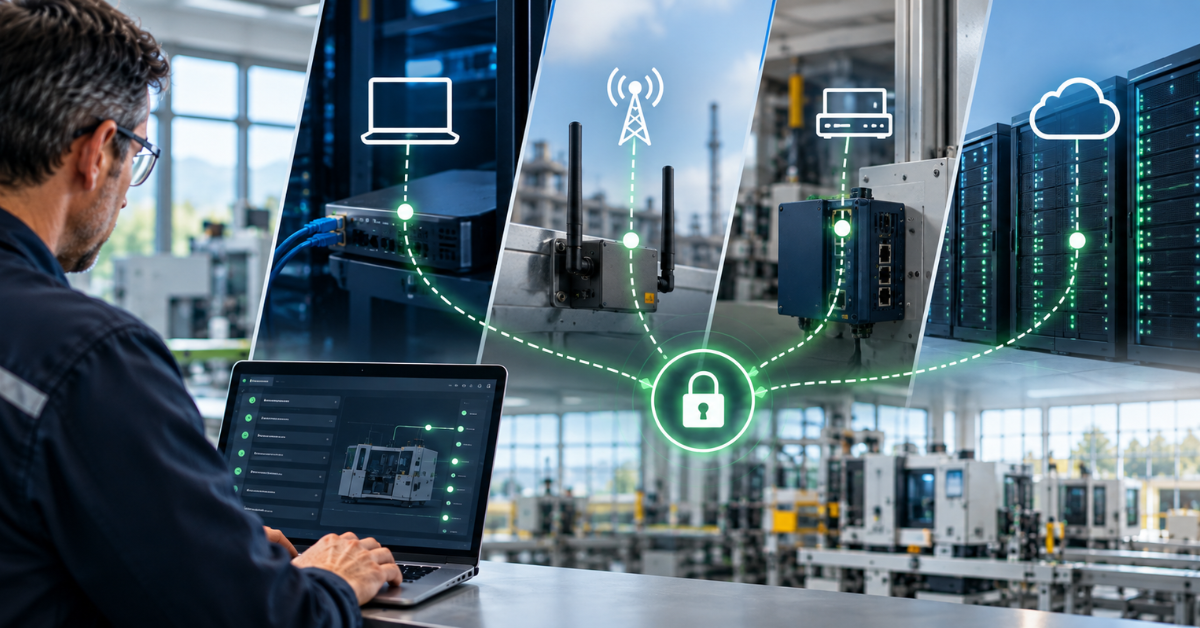
In practice, effective CPS protection platforms combine security, connectivity, visibility, and management into a single operational framework. Rather than relying on disconnected tools for remote access, monitoring, and policy enforcement, manufacturers can manage connected operations through a unified platform designed specifically for industrial environments.

Together, these capabilities help manufacturers reduce cyber risk, maintain uptime, support secure remote service, and scale connected operations with confidence. By bringing security and operational requirements together, CPS protection platforms provide the foundation for long-term digital transformation.
Security standards and frameworks in industrial environments
Manufacturers increasingly evaluate CPS protection platforms against recognized security frameworks such as IEC 62443, ISO 27001, and NIST guidance.
These frameworks are not about theoretical compliance. They reflect practical expectations for industrial cybersecurity, including access control, segmentation, monitoring, and system integrity. For manufacturers, the goal is demonstrable control and measurable risk reduction across connected operations rather than checkbox certification alone.
Evaluating CPS protection platforms for the long term
Selecting a CPS protection platform is a long-term decision that impacts security, operations, and future digital initiatives.
Based on decades of experience securing industrial machines, manufacturers should evaluate platforms across key areas such as:
- Security architecture and identity management
- Integration with existing OT and IT infrastructure
- Secure data collection and analytics readiness
- Edge and cloud intelligence capabilities
- Ease of deployment, use, and ongoing management
- Vendor experience in industrial and manufacturing environments
A structured evaluation approach helps ensure the platform supports today’s operational needs while enabling future digital transformation.
Built on real-world industrial experience
For more than 25 years, ei³ has been protecting connected industrial machines, long before CPS protection platforms became a recognized category.
Designed specifically for machine builders and manufacturers, the platform combines secure connectivity, centralized management, and operational intelligence to support modern manufacturing environments at scale. That experience has shaped a CPS protection platform grounded in real operational demands rather than analyst theory.
Sources referenced: Gartner




.svg)
.svg)
.svg)