.svg)


.png?width=20&height=20&name=Vector%20(1).png)


.svg)


Most industrial organizations are no longer struggling to collect data. They are struggling with how to use it. Across plants and fleets, large volumes of machine and operational data are already available — but turning that data into clear, timely decisions remains difficult.
Following our December announcement on expanding ConnectedAI, we are now advancing these capabilities through active development and direct collaboration with industrial customers. These early engagements are helping define how AI is applied within real operational environments.
In practice, engineers and operations teams are working with:
- Growing pressure to make faster, more informed decisions
Yet even with this data in place, a gap remains between visibility and action.
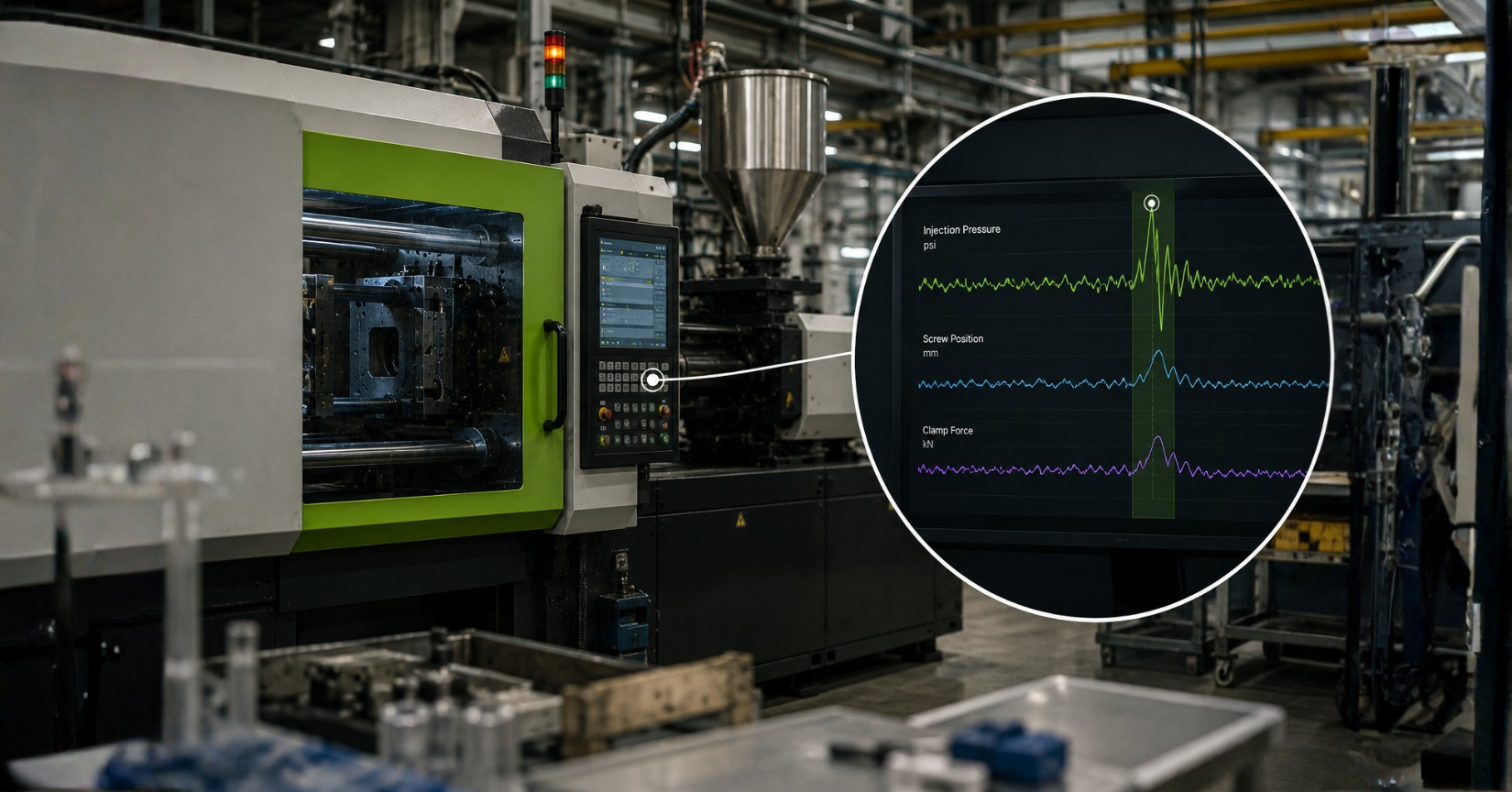
Teams can see what happened. They can often identify where performance dropped or downtime occurred. But translating that information into clear next steps still requires time, experience, and manual analysis.
ConnectedAI is designed to close that gap.
From dashboards to embedded advisors
Instead of assembling insights manually, users can ask direct questions and receive contextual answers based on live operational data. The system shifts from simply presenting information to actively guiding decisions.
“Industrial teams don’t need more dashboards. They need faster ways to understand what’s happening and what to do next,” said Nicole Gonzalez, ei3 Customer Success Manager. “ConnectedAI is about closing that gap — helping users move from data to action without adding complexity.”
Because ConnectedAI Advisors operates within the ei3 platform, it already understands machine identifiers, plant structures, production schedules, and historical performance. Users can ask questions using the language they use every day and receive relevant, contextualized answers immediately.
These advisors are designed to help users:
-
Understand machine performance trends
-
Diagnose downtime events
-
Answer technical and operational questions
-
Recommend improvement actions
-
Navigate complex workflows within the platform
Beyond immediate troubleshooting, advisors also support more strategic use cases — helping teams identify short-term improvements while building longer-term operational plans.
Over time, each ei3 application will include its own advisor, creating a consistent layer of intelligence across the platform.
Built differently for industrial environments
Many AI tools today are built by attaching a chatbot interface to a dataset. Industrial environments require a fundamentally different approach.
To get meaningful answers from a general-purpose AI tool, users typically need to export reports, explain machine structures, define context, and provide historical background. That process often takes longer than solving the problem itself.
ConnectedAI eliminates that overhead.
It combines:
- AI reasoning to interpret patterns and trends
- Context and memory based on the user’s environment
- Direct access to operational systems and structured machine data
The result is guidance that reflects each user’s actual machines, facilities, and permissions — not generic responses.
“Context is everything in industrial systems,” Nicole added. “Without it, AI can’t deliver meaningful answers. By embedding AI directly into the operational environment, we’re able to provide insights that are immediately relevant and actionable.”
Security as a foundation for industrial AI
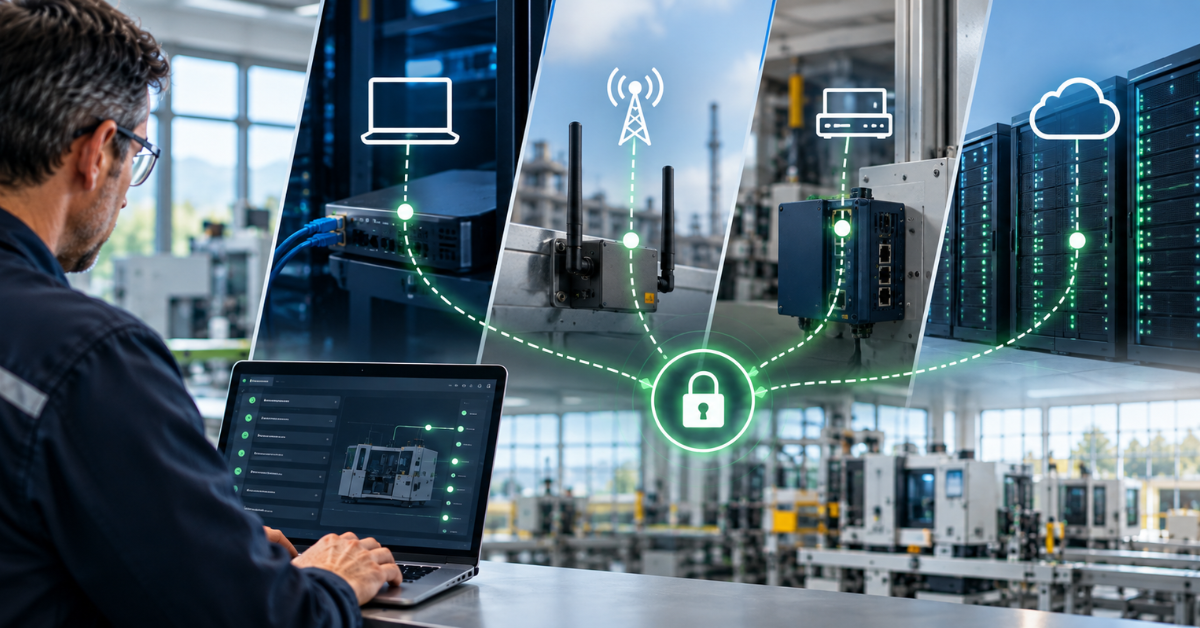
In industrial environments, security is not a feature. It is a requirement. ConnectedAI is being developed to meet the expectations of security-first industrial organizations — where data boundaries, controlled access, and system integrity are non-negotiable.
This includes collaboration with customers operating under strict security and compliance standards, whose requirements directly shape how the system is designed. Their level of scrutiny is not a barrier. It is a design input that strengthens the platform.
ei3 applies a “limited trust” model to ensure that AI capabilities operate within these boundaries. Rather than exposing raw operational data to external AI systems, data is processed within ei3’s infrastructure — structured and segmented so that insights can be generated without compromising sensitive information.
This approach ensures:
- Raw machine data remains within ei3’s environment
- Data is segregated by customer, with no cross-customer visibility
- AI responses are generated only from permissioned, relevant data
- External AI models do not receive or retain sensitive operational information
In addition, contextual memory is maintained within each customer’s environment. As users interact with their advisor over time, the system becomes more relevant — without ever crossing customer boundaries or contributing to external model training.
This architecture reflects the same principles that have guided ei3 for more than 25 years: segmentation, controlled access, and security by design.
“Security-first organizations are not looking for AI experiments,” Nicole noted. “They are looking for solutions that align with how their systems are already governed. That’s exactly how ConnectedAI is being built.”
Looking ahead
ConnectedAI is not a standalone tool layered on top of industrial data. It is an embedded capability designed to help teams interpret information, diagnose issues, and determine next steps within the systems they already rely on.
As development continues, the focus remains on delivering practical value — helping teams move faster from data to action while maintaining the security and control their environments require.




.svg)
.svg)
.svg)