.svg)


.png?width=20&height=20&name=Vector%20(1).png)


.svg)

As OEM installed bases grow, remote service is no longer just about accessing machines when something goes wrong. It’s becoming a structured, continuous way to support performance across entire fleets. In a recent conversation with Packaging OEM, Spencer Cramer discusses how OEMs are shifting toward remote management models that scale, generate insight, and support long-term service relationships.
Watch the full conversation
Key takeaways from the discussion
-
Remote service is becoming continuous, not reactive
What started as occasional remote troubleshooting is evolving into a consistent, repeatable way to support machines across the installed base. OEMs are expected to stay connected and responsive long after commissioning. -
Fleet scale is changing how service must operate
As deployments grow, ad-hoc access methods become difficult to manage. Standardization, visibility, and coordination across machines and sites become essential. -
Machine data is where long-term value is created
Connectivity alone is not enough. The ability to monitor performance, understand usage, and act on insights is what enables OEMs to improve uptime and support customers more effectively. -
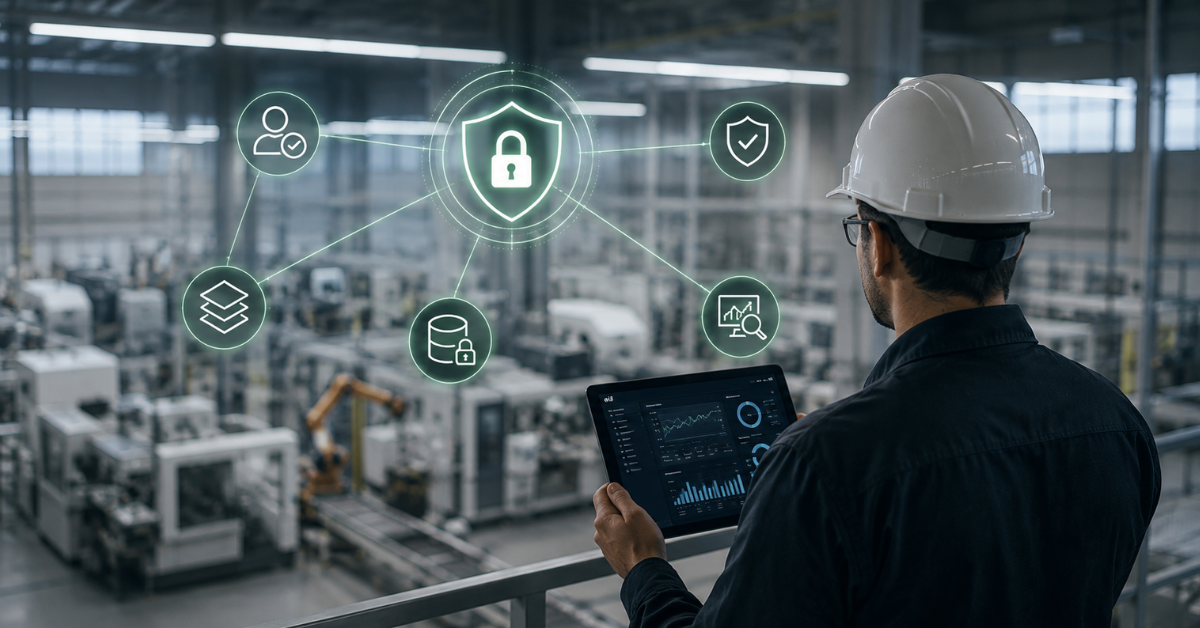
Security is a foundational requirement
As more machines are connected, the need to protect systems, intellectual property, and operations becomes central to how remote service is designed and delivered.
What this means in practice for OEMs
The shift to remote management is not just a change in tools — it’s a change in how service is structured.
Many OEMs still rely on remote access approaches that were designed for one-off connections. These methods can work at small scale, but they often break down as fleets grow, making it difficult to manage users, maintain visibility, and enforce consistent security.
To support a true remote management model, OEMs need a more structured approach:
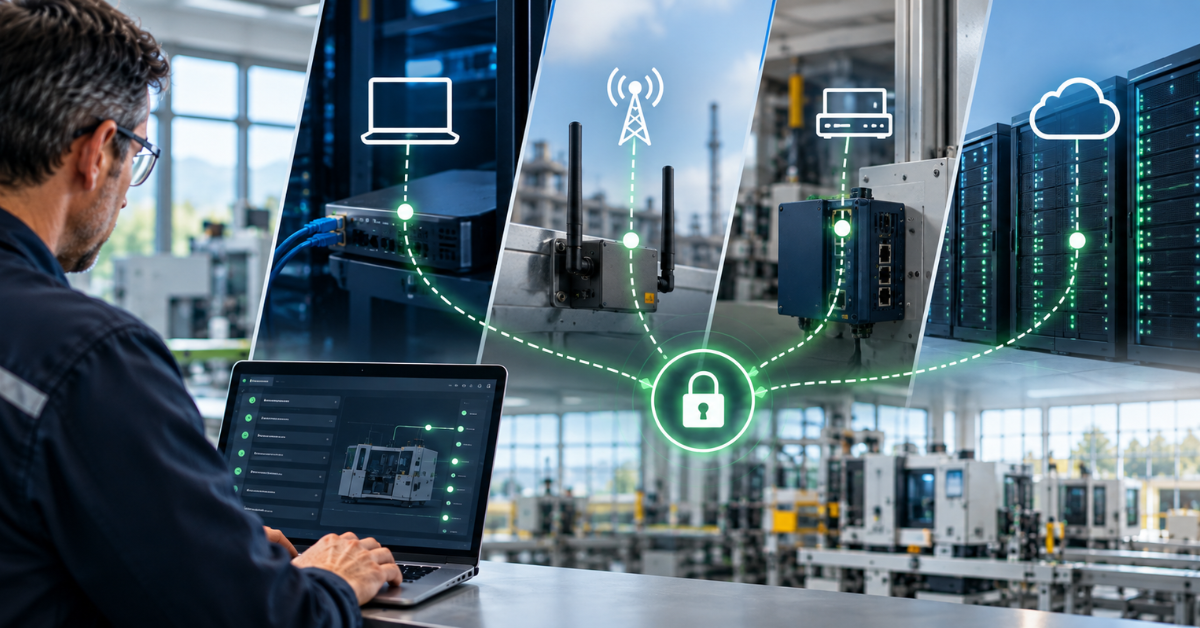
- Standardized connectivity across machines and sites to reduce variability and simplify support
- Clear control over user access and activity to ensure accountability and protect systems
- Segmentation between machines and networks to limit risk and prevent issues from spreading
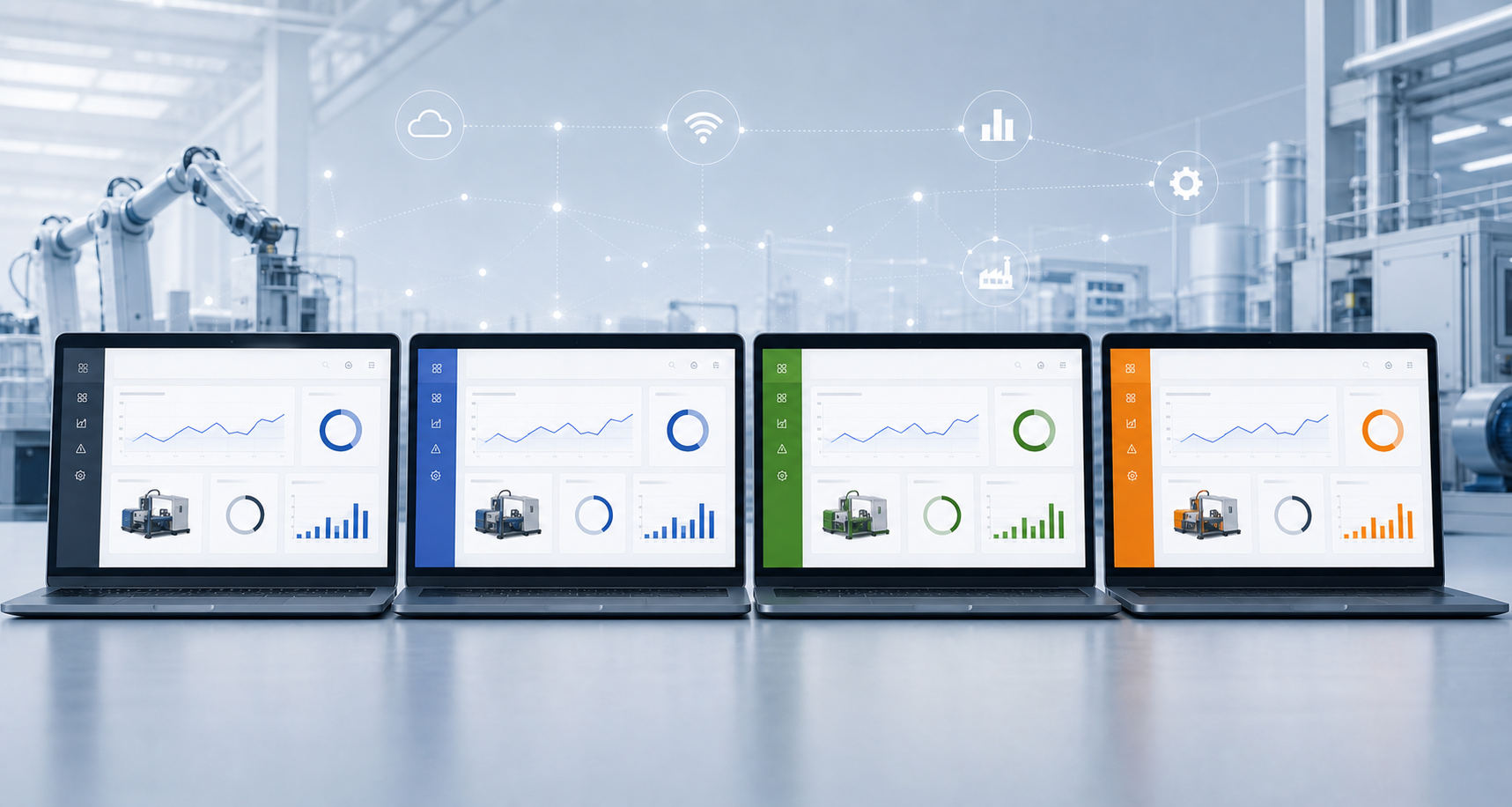
- Centralized visibility into machine status, connections, and service activity
Without this foundation, it becomes difficult to scale service operations or fully use machine data in a meaningful way.
Original Source
This conversation was originally published by Packaging OEM as part of The Downtime podcast series. a manufacturing podcast from WTWH Media.
Check out Episode 43, with ei3 on remote management and OEM service models
Explore further
Want to see how OEMs are structuring secure, scalable remote service across their installed base?
View the ei3 Complete Guide to Remote Service


.svg)
.svg)
.svg)