.svg)


.png?width=20&height=20&name=Vector%20(1).png)


.svg)

Remote access to industrial machines is not a new idea. The concept has been part of manufacturing for more than 20 years, dating back to the early days of secure internet-based connections to industrial automation controllers. But what started as a straightforward technical capability has evolved into one of the most consequential business decisions an OEM can make. Most machine builders are only now starting to recognize it as such.
The Traditional Model: A Very Long Programming Cable
The premise was always simple. If you're the engineer who programmed a machine and that machine experiences a problem at a customer site, whether across the state or across the ocean, a secure internet connection lets you reach in and diagnose it from your desk. Think of it as a very long programming cable.
That idea created real value. Over two decades, many different approaches emerged to make it happen, including:
- Cellular modems providing wireless dial-in access
- Jump servers running Microsoft Remote Desktop
- Black-box devices accepting a username and password
- Direct VPN tunnels into the machine network
The common thread was that connectivity decisions were made machine by machine, by whoever built the electrical panel, using whatever solution they knew best. Reactive by design: the machine breaks, the customer calls, the technician logs in, fixes it. Then everyone moves on.
Where It Breaks Down
The machine-by-machine model works fine until you have to manage it at scale, and at scale, it falls apart quickly.
I've spoken with global manufacturers who have thousands of machines installed across their customer base and hundreds of different connectivity methods in use. One customer told me they had 600 different "doorways" into their production environment. If your job is to keep bad actors out, protecting 600 separate entry points isn't a security strategy. It's an impossibility.
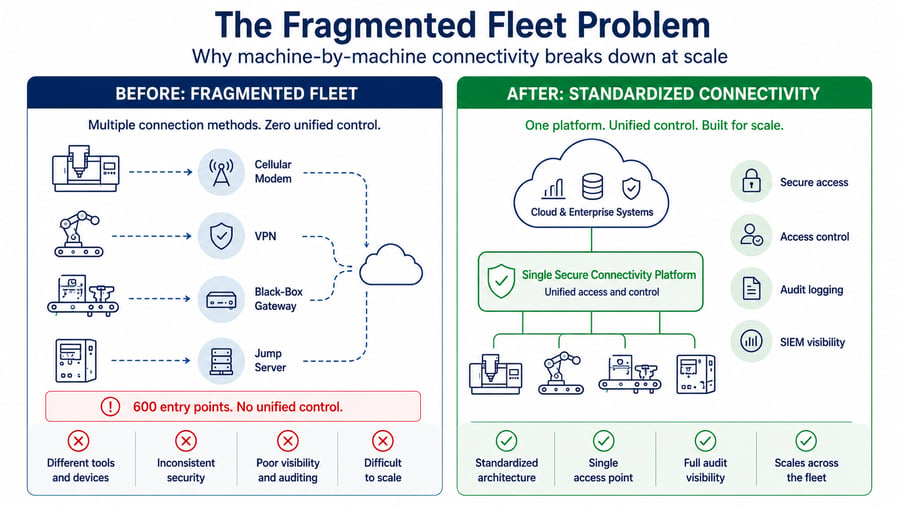
The problem is equally acute inside large OEM organizations. Many of today's machine builders are the product of growth through acquisition, roll-ups of 20 or 40 individual operating units, each with its own electrical team and its own connectivity preferences. The result is a patchwork that:
- Creates security exposure across your entire customer base
- Makes enterprise-wide service delivery nearly impossible
- Puts IT and OT teams in an unmanageable position
- Undermines the quality of service your customers experience
Complexity at this scale doesn't just create risk. It actively works against the business you're trying to build.
Why Fragmented Connectivity Is a Security Liability
When every machine on a customer’s floor relies on a different access method, the customer’s IT team has no unified view of who is accessing what, when, or why. Audit trails become inconsistent. Access policies become harder to enforce.
Manufacturing has been the most targeted industry for five consecutive years. Ransomware levied against OT assets has stopped production lines, halted supply chains, and cost organizations hundreds of millions of dollars. Criminals don't need to steal data. They just need to stop the machines.
Beyond security, fragmented connectivity hurts service delivery in compounding ways:
- Technicians manage multiple credential systems across machine lines.
- There is no centralized view of service activity or machine status.
- Customers encounter inconsistent support experiences depending on the machine.
- Response times slow down as teams navigate disconnected tools and access methods.
A Business Decision, Not Just a Technical One
Connectivity is no longer a decision that belongs only in the electrical department. It has become a business and operational decision.
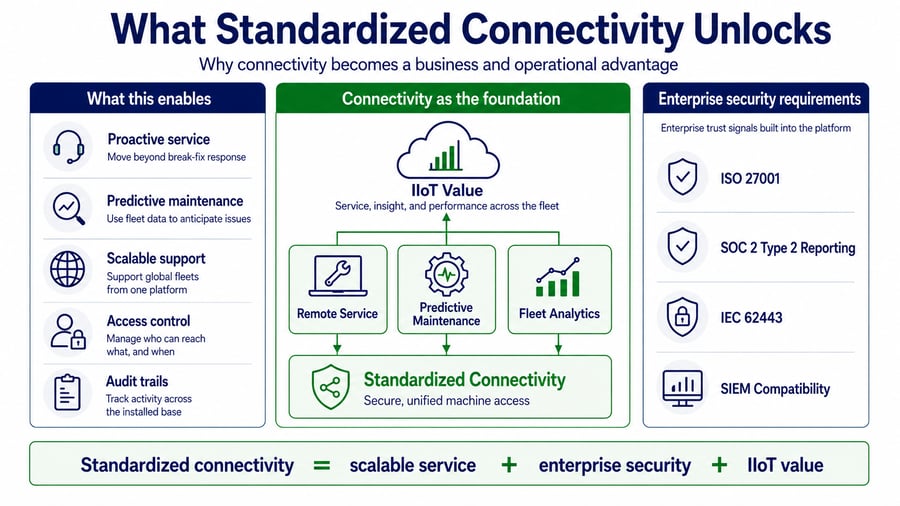
Leading OEMs are recognizing that remote connectivity underpins everything they want to deliver as a modern machine builder. Consider what becomes possible with a standardized platform:
- Proactive service instead of break-fix response
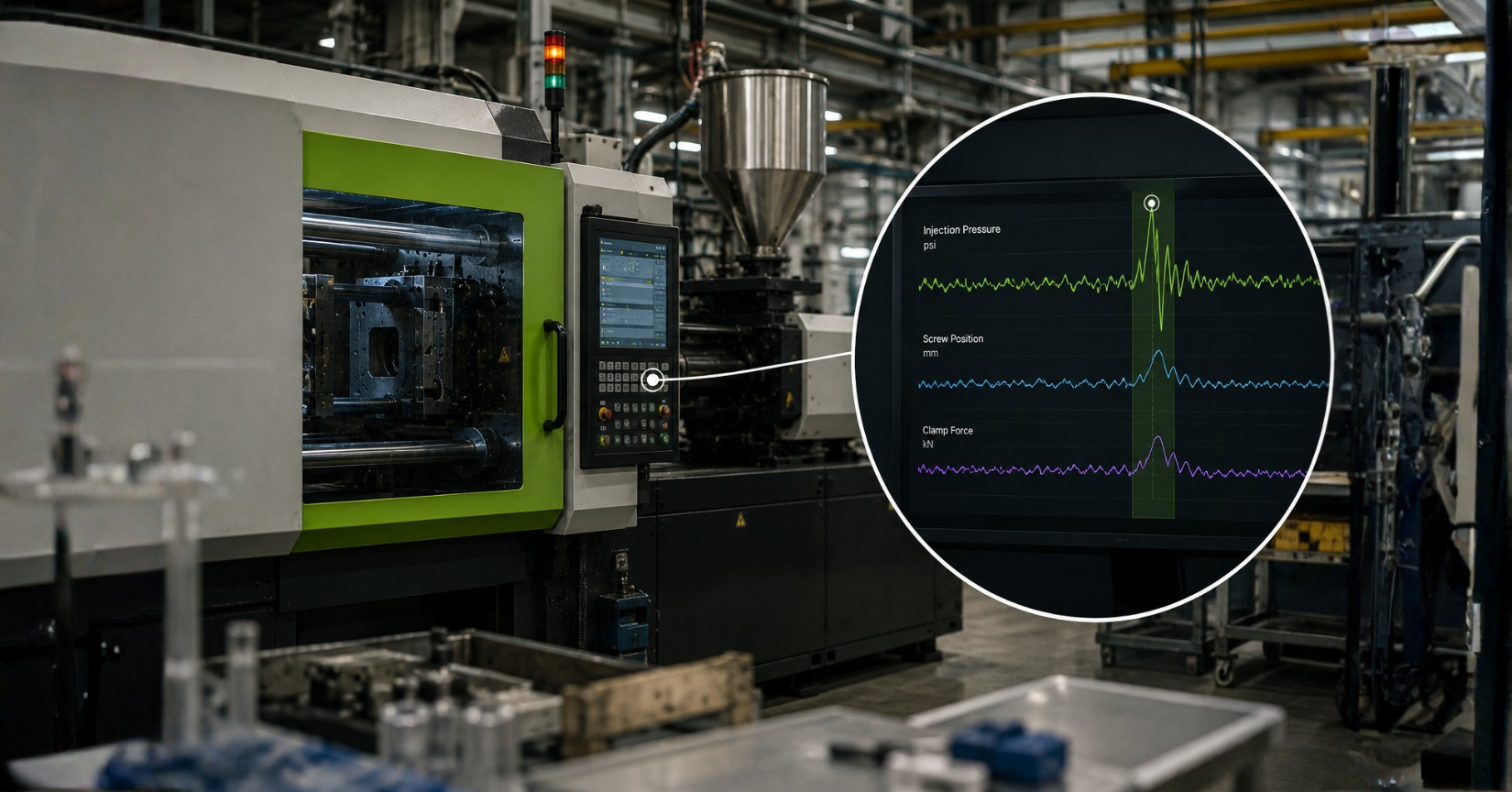
- Predictive maintenance driven by fleet-wide machine data
- Scalable support across global customer bases from a single platform
- Enterprise-grade access control tied to your Active Directory
- Full audit trails compatible with customer SIEM requirements
None of that is achievable when connectivity is fragmented and reactive. All of it becomes possible when it's standardized and purpose-built for the industrial environment.
Standardization as the Foundation for Scalable Remote Service
When connectivity is standardized across a product line and customer fleet, service delivery transforms. Your team operates from a single platform. The right people have access to the right machines, consistently and securely. New machines ship with connectivity already built in. Customers experience a professional, predictable service interaction every time.
This is what separates reactive, break-fix service from a scalable, recurring service model. The difference isn't the technology. It's the architecture. Standardized connectivity is the foundation that makes everything else possible.
Connectivity as the Entry Point to a Secure Architecture
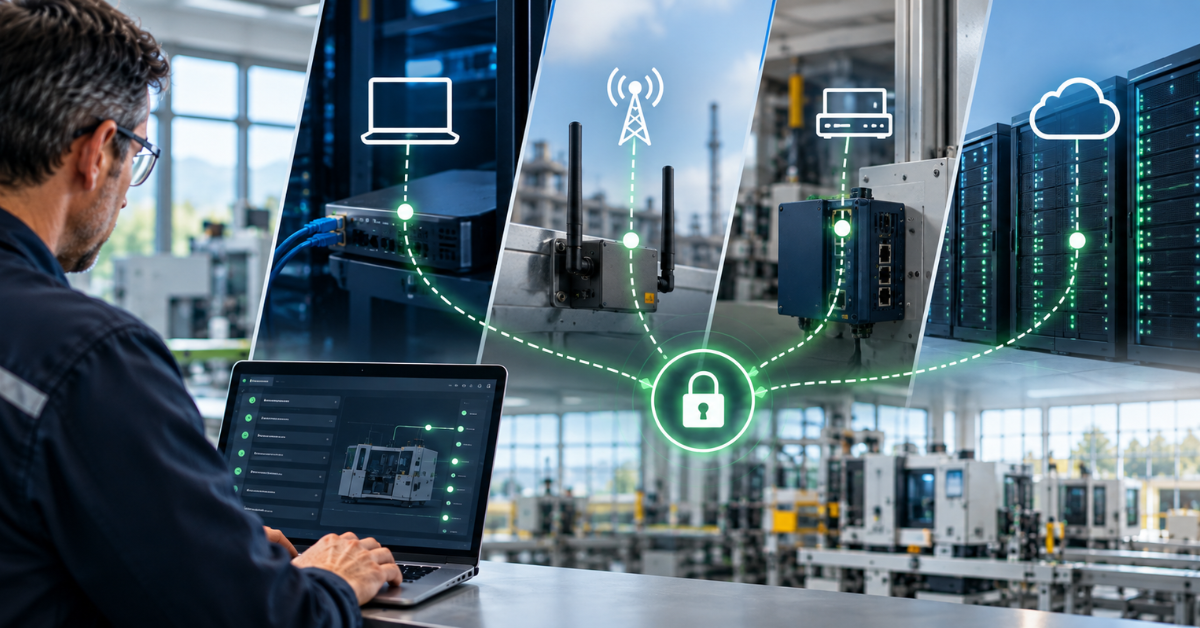
Choosing a connectivity platform is also the first step toward a broader secure architecture for your machines in the field. The conversation in enterprise manufacturing has shifted toward Cyber-Physical Systems (CPS) Protection Platforms, and connectivity is the entry point into that architecture. The way machines connect determines whether IT and OT teams can:
- Enforce zero-trust access policies across the installed fleet
- Log and audit all activity in formats compatible with enterprise security tools
- Control and revoke access through a single, centrally managed platform
- Protect every machine at scale without relying on fragmented, one-off solutions
Connectivity decisions made today carry long architectural implications, not just for service delivery, but for the security posture of every machine you put in the field.
The First and Most Important IIoT Decision an OEM Makes
The way you connect your machines is the first IIoT decision you make. It shapes every capability that follows. A well-architected, standardized connectivity platform opens the door to benchmarking, predictive maintenance, remote diagnostics, and the full range of value propositions that define a modern OEM. A fragmented, reactive approach closes those doors.
At ei³, we've spent 25 years building connectivity infrastructure designed from day one with security, scalability, and enterprise trust in mind. We're connected to north of 200,000 assets across more than 100 countries, and we hold ISO 27001 certification, SOC 2 Type 2 assessment capability, and align with IEC 62443, because the organizations we serve demand it.
The machine builders who treat connectivity as a strategic decision today are the ones best positioned to deliver on the promise of IIoT tomorrow.
ABOUT THE AUTHOR
Spencer Cramer is the Founder and CEO of ei3 and has over 35 years of experience in manufacturing technology and automation. He founded ei3 in 1999, years before the term “IIoT” became widely used, with a vision to securely connect industrial machines. Since then, Spencer has worked closely with OEMs around the world to help shape remote service and digitalization strategies that improve efficiency, visibility, and machine performance across manufacturing environments.

Spencer Cramer
Connect with me on Linkedin
Is your plant floor protected or just connected?
Get the evaluation guide to find the right CPS Protection Platform for your manufacturing operations.




.svg)
.svg)
.svg)