.svg)


.png?width=20&height=20&name=Vector%20(1).png)


.svg)
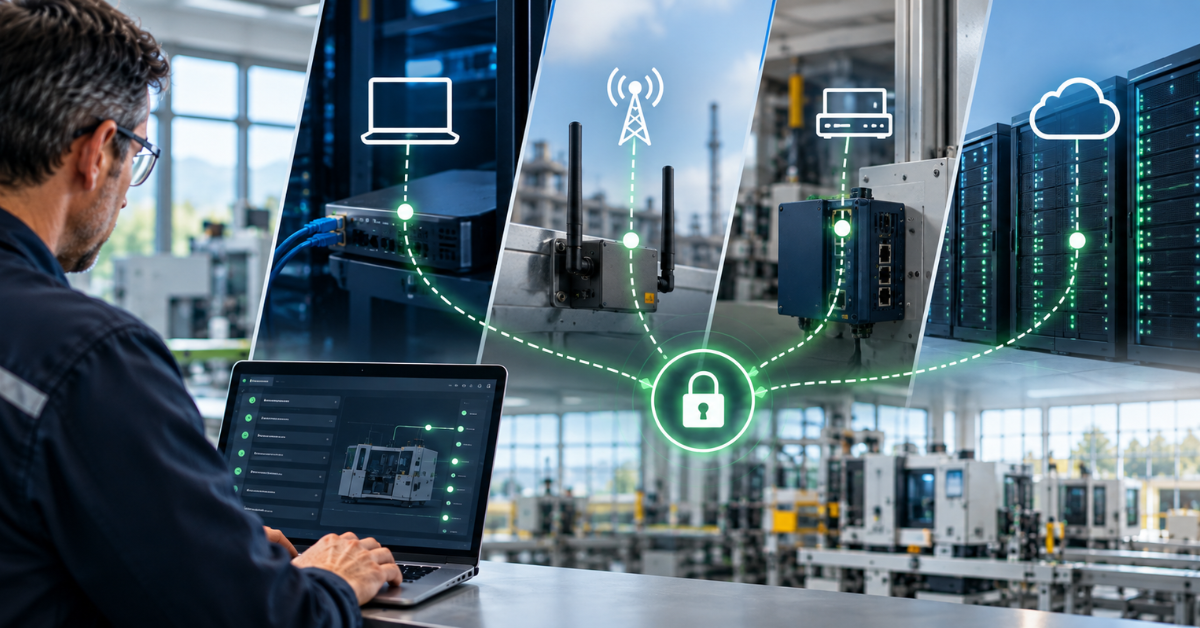

Secure remote access used to be a one-time IT checkbox for OEM field service teams. Now it's a recurring conversation with customers, auditors, and insurers — and the tools that felt sufficient two years ago are becoming the reason that conversation gets harder.
OEM field service teams generally choose from four remote access approaches: direct VPN, cellular modems, "black box" point-to-point tools (eWON, Secomea, IXON, Talk2M), or a full CPS Protection Platform. The first three solve the initial connection problem, but tend to hit governance and audit gaps as a service program scales across sites and customers. A CPS Protection Platform folds remote access into a broader security architecture — centralized control, session-level auditing, compliance alignment — so it grows with the program instead of becoming the bottleneck.
Why remote access is now a field service priority, not an IT afterthought
Manufacturing remains one of the most-targeted industries for cyberattacks, and OT environments carry unique risk: long equipment lifecycles, persistent connectivity, and third-party access that traditional IT security wasn't built to handle. ei3's own platform protects more than 190,000 mission-critical industrial assets worldwide with zero security incidents in over 25 years — a track record that only holds because remote access is treated as core security infrastructure, not a bolt-on convenience.
For OEM field service teams, that risk sits right at the connection point: every remote session into a customer's machine is a potential entry into their OT network. At the same time, customers are asking sharper questions about how that access is controlled — not just whether a technician can get in.
That combination is why "secure remote access" has become one of the most-searched, most-compared categories among machine builders this year.
For a deeper look at why this decision carries more weight than it used to, see Why secure remote access is the first IIoT decision that matters.
The four main options OEMs are comparing
1. Direct VPN access
Fast to set up, but user management and access control get messy quickly. Every new technician, customer, or machine adds another credential to track, and there's little built-in visibility into who did what, when.
2. Cellular modems
Useful for isolated or mobile equipment, but they come with high recurring data costs and inconsistent reliability in industrial environments — a poor fit for a fleet-wide service strategy.
3. "Black box" / point-to-point remote access tools
This is the category that includes tools like eWON, Secomea, IXON, and Talk2M. They solve the first connection problem well but were largely built for single-machine access rather than fleet-scale governance. As programs grow, OEMs typically hit the same wall: access is hard to standardize across customers and regions, IT wants stronger control and audit trails, and there's no natural path from "remote support" to machine data and monitoring.
The deeper issue isn't the encryption — it's the trust model underneath it. An encrypted tunnel still has to answer who is on the other end, what they can reach, and whether that access is logged and scoped by machine — not just whether the connection itself is secure. A sealed point-to-point appliance typically can't answer those questions once the tunnel is open.
Dive deeper in our full analysis on: Why traditional black-box remote access falls short →
4. CPS Protection Platforms
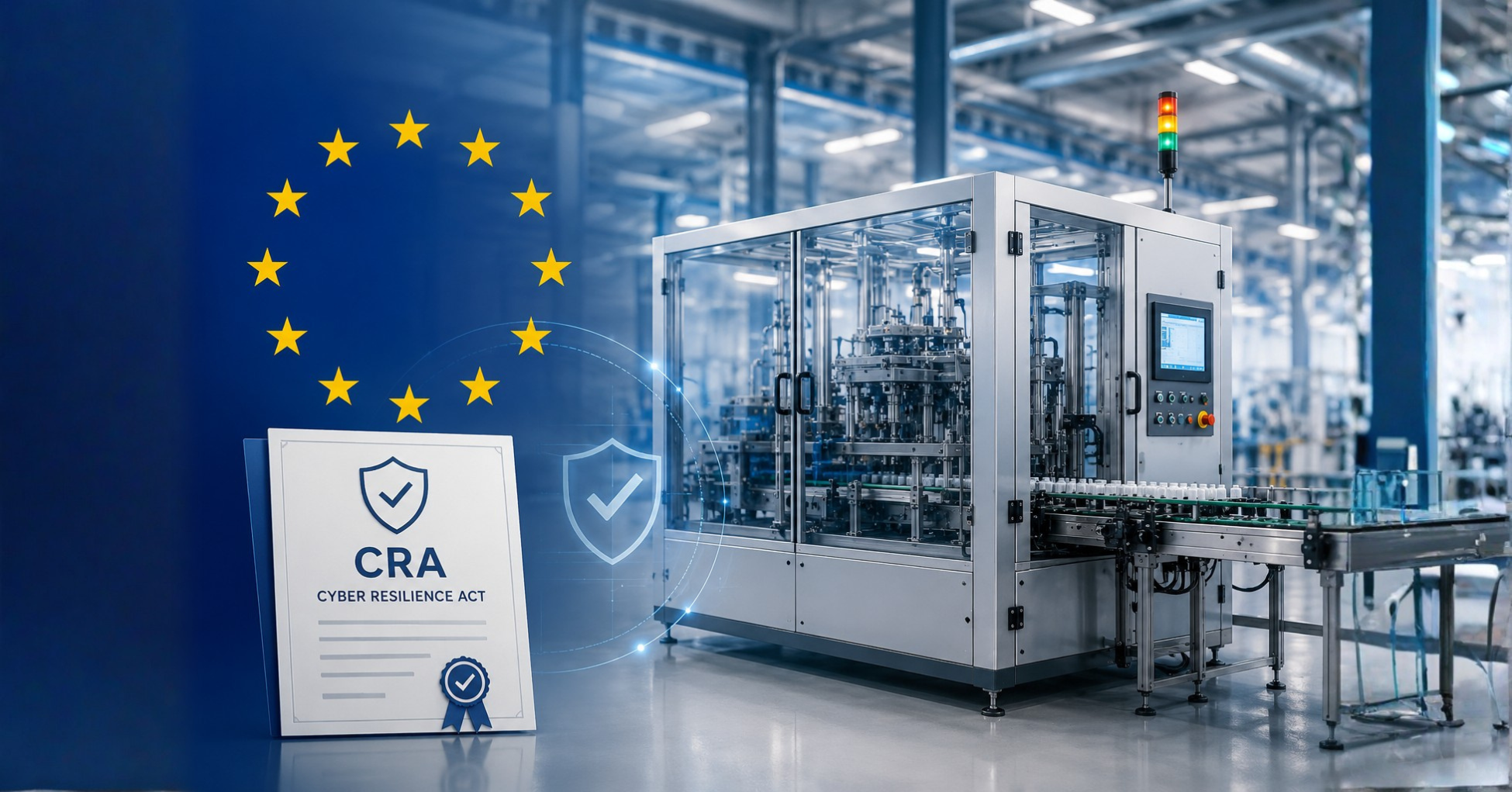
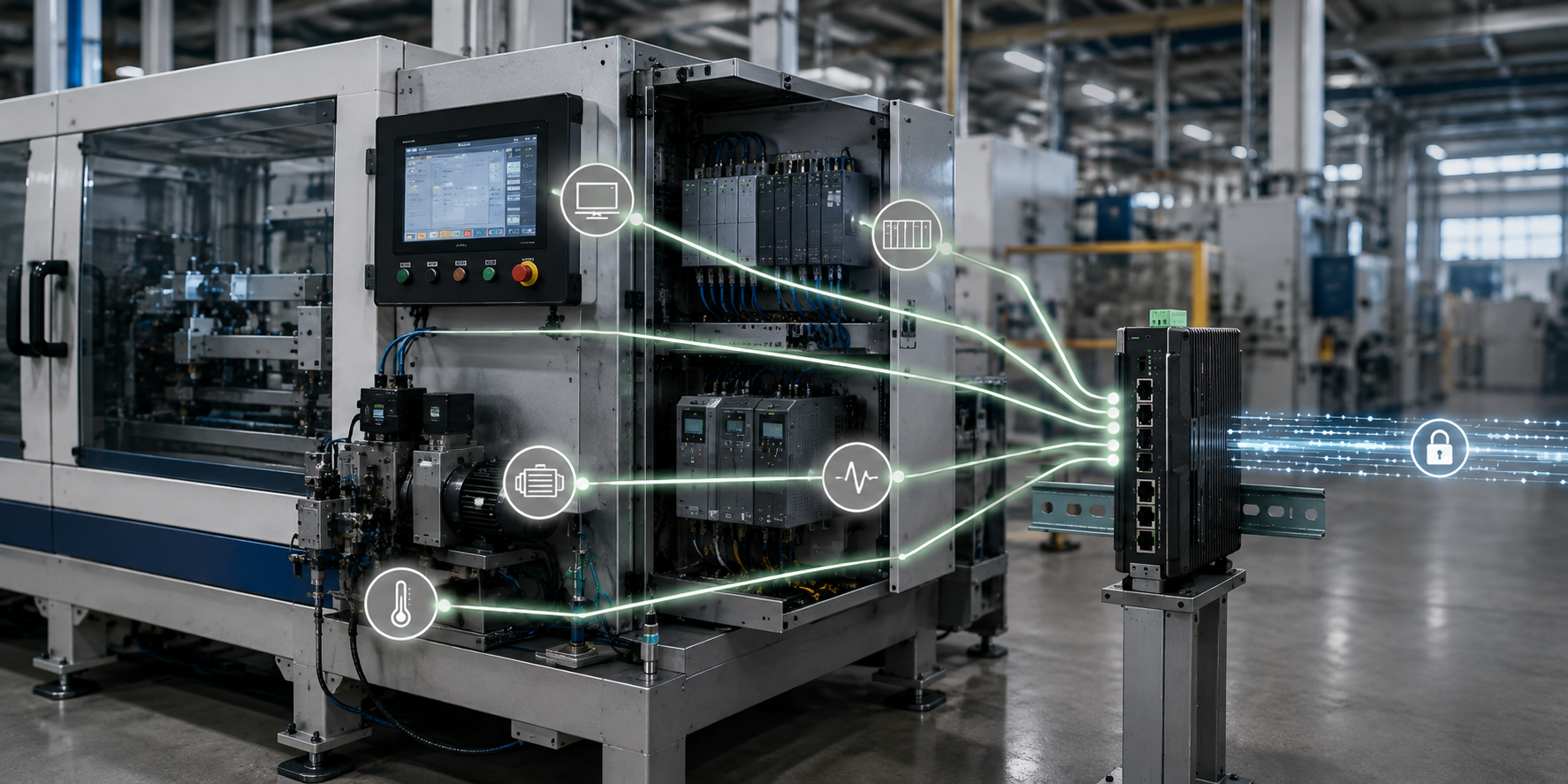
A CPS Protection Platform treats remote access as one layer of a broader security architecture — combining network segmentation, encryption, authentication, and access control with continuous monitoring, compliance alignment (ISO 27001, IEC 62443, NIST), and centralized management across an entire installed base. Critically, it's built to scale with connectivity investments rather than being replaced by them: the same foundation that secures a remote session can also carry machine data into monitoring, predictive maintenance, and IIoT applications later.
Dive deeper in the outlook for this option: Gartner predicts 75% will adopt CPS Protection Platforms by 2027 — What this means for manufacturers
A note on Zero Trust
"Secure" and "Zero Trust" aren't the same thing. Many remote access tools are encrypted but still operate on implicit trust — if you're on the VPN, you're in. Zero Trust flips that: no user, device, or session is trusted by default, permissions are scoped to specific machines and functions, and every session is logged and auditable. That distinction is what separates a merely encrypted connection from one your IT and security teams can actually stand behind.
Learn more about: Why "Zero Trust" actually matters in industrial remote service
What actually matters when you compare options
Whichever direction you're leaning, these are the questions worth asking any vendor:
|
Evaluation area |
What to check |
|---|---|
|
Access governance |
Can you manage users, roles, permissions, and session visibility across customers and sites — not just a single machine? |
|
Security architecture |
Is it multi-layered (segmentation, encryption, authentication) or a single point of access? |
|
Zero Trust model |
Is access explicitly granted and continuously verified per session, or is trust implicit once a connection is established? |
|
Compliance |
Does it align with ISO 27001, IEC 62443, or NIST? |
|
Installed-base fit |
Does it work for both new machines and equipment already in the field — ideally without a rip-and-replace of existing gateways? |
|
Path to machine data |
Can the same platform support monitoring, alerts, and IIoT down the line — or is remote access a dead end? |
|
Customer confidence |
Can your customers understand and approve exactly how access to their machines is controlled? |
Already have legacy gateways in the field? You don't have to rip them out.
A lot of OEMs read the list above and think: that's great, but we have thousands of machines already running on eWON, Secomea, or another legacy gateway — we can't swap all of it overnight. That's a common gap OEMs run into — and exactly what ei3's Portara gateway upgrade is built for.
Instead of replacing existing hardware, Portara wraps your current remote access setup in ei3's managed secure network — converting inbound connections to outbound-only, isolating each machine on its own subnet, and routing everything through one centralized, audited entry point. You get the governance and Zero Trust posture of a full CPS Protection Platform while keeping the devices and networks you've already deployed, then phase in upgrades plant by plant or region by region.
Identify the right secure access solution
Use this practical evaluation guide to assess the security, connectivity, data, and management capabilities that matter when choosing a CPS Protection Platform.
Where OEMs go from here
Teams that outgrow point-to-point tools usually don't rip everything out at once. Most start with a focused pilot — a handful of machines, a region, or a specific customer — to validate the security model and access workflow before standardizing across the fleet.
For a deeper walkthrough of what to look for, ei3 put together a CPS Protection Platform evaluation checklist covering all seven criteria that separate a basic remote access tool from a true CPS Protection Platform — security, integration, data collection, AI/edge intelligence, middleware, usability, and vendor support.
If you're actively comparing tools like eWON, Secomea, IXON, or Talk2M, this breakdown is also worth a look: A better way to support connected machines →
ABOUT THE AUTHOR
The ei3 Team includes experts across industrial automation, cybersecurity, remote service, connectivity, and IIoT technologies. Combining experience across technical, operational, and customer-facing roles, the team shares insights and practical strategies that help OEMs and manufacturers improve machine performance, security, and operational visibility.



.svg)
.svg)
.svg)